Why participate in our fundraising campaign?
The textile industry, from raw materials to luxury through production, is in the hands of multinationals. Their model? Extractivism, colonialism, planned obsolescence, and petrochemicals. The social and environmental disasters that result are catching up with us even in Europe: in our blood, in our vital organs. Plastics, pesticides, and PFAS are already in our bodies.
Despite these facts, a battle is being fought behind the scenes. On one side, the lobbies (oil, textile, forestry, pesticides) and some parties are pushing to deregulate standards that were fought for over years of struggle. On the other, the urgency to apply our European social and environmental standards to all goods entering the territory. Not to protect a market, but to guarantee healthy textiles for everyone, workers (over 80% women) as well as consumers, and to preserve the quality of our water.
Beyond these issues, it is our entire autonomy that is crumbling. Our know-how is disappearing. The school programmes for tailoring are being reformed, the classes that taught every child to repair and understand the value of things are being removed. Opportunities are dwindling, bankruptcies are multiplying, rents are soaring. And too few political measures truly support the local industry in the face of social and environmental dumping.
This term describes a simple reality: imported goods made at low cost because workers are paid a pittance (social dumping) and no ecological standards are respected (environmental dumping). It is not Belgium that has become "too expensive". It is elsewhere that has been made abnormally cheap, sacrificing humans and ecosystems. It is impossible to compete on unequal terms.
Plastic.
Our clothes, plastic packaging, and synthetic objects that we handle release microplastics with every use. Invisible, they end up in water, air, our food, and even in our vital organs. A study published in Nature Medicine (2025) revealed alarming levels of microplastics in human brain tissue, up to 10 times higher in people with dementia. The cause-and-effect link remains to be established, but the alert is there.
About 70 % of the materials in the textile sector are now of synthetic and artificial origins and non-biodegradable.
Pesticides.
The collective expertise of INSERM (2021) and the opinions of the European Food Safety Authority (EFSA) establish links between exposure to pesticides and several cancers : non-Hodgkin lymphoma, blood cancers, prostate cancer, as well as Parkinson's disease and autoimmune disorders. However, conventional cotton is one of the most treated crops in the world. Similarly, organic linen, although much less sprayed, remains a minority in Western Europe and stocks are mostly reserved for large companies. Spraying on hemp is prohibited, making it a material of choice, particularly for the maintenance of food surfaces.
In the face of this double contamination, we design in Belgium and according to European standards (REACH) objects and clothing made from linen, hemp, and ethically sourced wool grown without pesticides, 100% natural, without plastic or PFAS.
A depolluted textile sector, born from a personal struggle
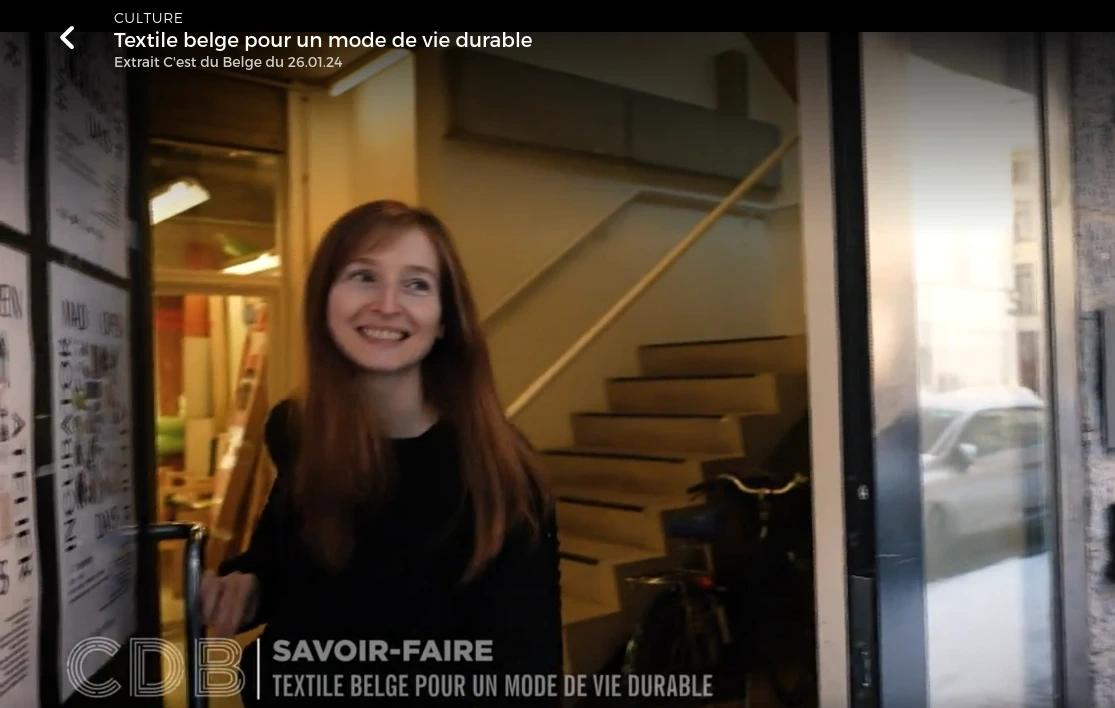
My name is Vanessa Colignon. Seamstress, stylist, and textile designer, I am the founder of Design for Resilience. Winner of the WBDM award and named “Sustainable Entrepreneur of the Year 2024” by Womenpreneur, I fight for a depolluted and de-plasticised textile sector.
But to amplify this movement and make our productions more accessible, our workshop needs to be more self-sufficient in terms of equipment and production. It is time to scale up and expand the workshop.


✽ THE OBJECTIVES OF THE FUNDRAISING
Your participation will help achieve different levels of our fundraising goals:
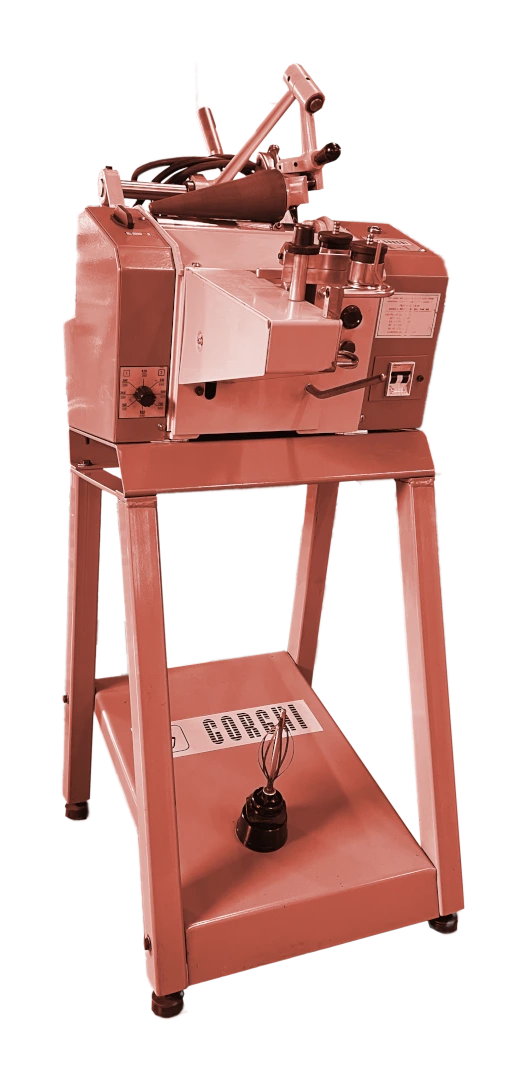
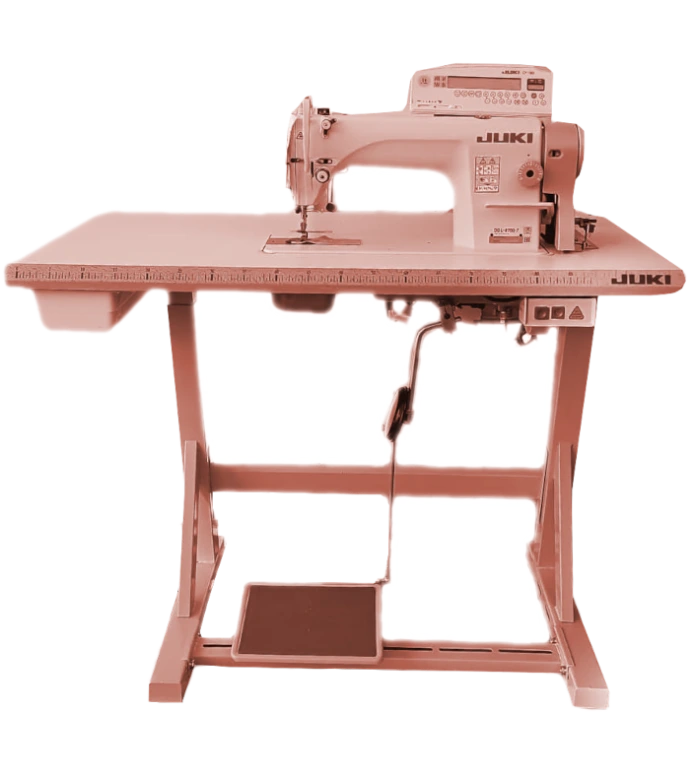
Invest in our production machines (13550 €):
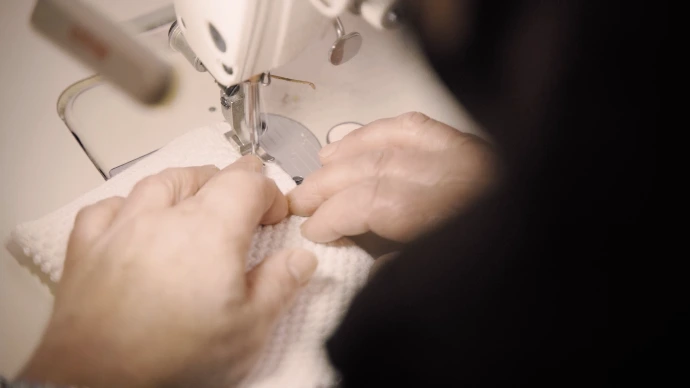
To prototype, knit and sew directly in the workshop to be more financially accessible, have more creative freedom, and develop our ethical zero-oil and zero-viscose alternatives more quickly. These machines and the resulting services can be shared for other professional projects or eco-responsible research!
Launch the production of Linen & Hemp (10200 €):
Finance and realise the production of our new ideas, such as the raw materials and the production of our new linen towels and our new cloths made from 100% hemp.
R&D: Innovate without plastic, PFAS (11750 €):
Development (pattern making, prototyping) of clothing and accessories without plastic, particularly developing our washable and plastic-free sanitary towels also suitable for heavy menstrual bleeding related to endometriosis.
Development of a more financially accessible custom clothing service thanks to the digitisation of one of our production steps.
This also covers the various operating costs related to these actions (rent, charges, insurance,...) of the employment contracts related to this research.
Communicate (minimum €4500) :
Campaign costs for fundraising and promoting our new products (communication, photo shoots, promotional videos, ...)
Make a donation
Small or large, your contribution is essential. Every donation, no matter how small, supports the same goal: to finance our machines and launch the production of our plastic-free alternatives. Here is what each amount concretely represents.

Rewards: Pre-orders and Training
Pre-order our innovations or train yourself. By reserving now, you directly finance the raw material and production.
1.Our products (Zero plastic, zero viscose & No PFAS)
Linen towels: Lina
Linen towels: The Minimalist
Hemp cloth
Men's shirt
2.Our training on textiles and sewing (Coming soon!)
Introduction to textile knowledge
Sewing class · Thermal underlayers · Leggings
Sewing class · Thermal underlayers · Jumper
Sewing class · Organic cotton briefs
FAQ de la collecte de fond
In this section, you will find the most frequently asked questions we receive. Questions you ask us via our contact form or by phone will be added here.
We send 6 to 12 emails per year and never sell your data, and you can unsubscribe at any time.
No, every euro received allows us to move forward and achieve our goals.
When you make a donation or a pre-order, fees on your donation or purchase are also charged; there are therefore intermediaries who take commissions on the money you invest in our business. This is one of the reasons why we avoid adding an additional intermediary.
1. First of all, the secure payment platform intervenes to secure your payment and your data, it charges €0.35 on each of your card payments. You can avoid these fees by choosing to make a bank transfer via your preferred banking app.
2. If you make a purchase, we will pay 21% VAT to the state, if you make a donation, we do not pay any VAT, this is the most effective way to help us acquire our new machines.
3. Next, whether you have made a purchase or a donation, SMart, our business cooperative takes 6.5% of the invested amount. This commission covers various types of shared costs within our business cooperative. (Access to discounted training, business management and accounting, access to occupational health, legal assistance, etc.)
4. We can then allocate your payment to the ongoing tiers (equipment purchases or product development) or/and to pre-orders if you have ordered any.
Any other questions?
Contact us via our contact form or by phone for all your questions.
Thank you for your interest and participation.
With the support of :