
Does your laundry come out of the machine rough, irritating, almost brittle? The cause is often invisible, but very present in every drop of water: limescale.
When the water is hard, the minerals it contains deposit at the heart of the textile fibres during washing. This limescale deposit prevents the fibres from remaining soft, making the fabric rough to the touch. But beyond discomfort, it is a public health issue. Conventional industrial softeners, often used to mask this problem, are real chemical cocktails. They contain cationic surfactants (extremely polluting for the oceans and coastlines),
silicones, preservatives like methylisothiazolinone (a powerful allergen) and synthetic fragrances (which can be endocrine disruptors).
These substances remain trapped in the fabric, in direct contact with your skin all day long. They can cause skin irritations, eczema, and their volatile compounds, once inhaled, can affect the respiratory system, particularly in asthmatic or sensitive individuals. At Design for Resilience, we believe that taking care of your laundry is also taking care of your body and the living world.
Before choosing an alternative, it is crucial to know your enemy.
Knowing the hardness of your water: the first ecological gesture
The first step for a truly responsible wash is to check the hardness of the water in your area. You can easily find this information on your water supplier's website or through your local council or town hall (for the French).
Why is this so important? Because the amount of product needed directly depends on this hardness. Very hard water will require a bit more anti-limescale product, while soft water will need very little, if any at all.
This is a major issue of pollution. One of the primary causes of water pollution, just after industrial discharges, is the overdosing of household products by consumers. Even natural or biodegradable products, if used in excess, disrupt aquatic ecosystems. Adjusting your dosage to the reality of your water is already a concrete action for the preservation of rivers and groundwater.
Once this check is done, three options are available to you to achieve soft laundry, without compromising your health or the planet.
Our 3 homemade fabric softener recipes

Option 1: White vinegar, with caution
White vinegar is the most well-known anti-limescale agent. Its acidity effectively dissolves the mineral deposits trapped in the fibres. However, it should be usd with discernment.
A concentration that is too high or too frequent use of pure vinegar can, over time, weaken the rubber seals in your washing machine. Don't worry, its smell completely disappears when drying.
It is also important to note that white vinegar is not recommended for certain delicate natural fibres such as wool and silk, which it can alter the natural acidic structure if mismeasured.
The balanced recipe : Mix 1/3 of household white vinegar (12° or 14° maximum) with 2/3 of water. If you have access to rainwater, prefer it for this mixture: naturally softer and slightly acidic, it enhances the effectiveness of the vinegar while being more respectful of your machine. Pour approximately 12 cl of this mixture into the fabric softener compartment.

Option 2: Citric acid, the gentle and powerful alternative
If you are looking for an odourless solution that is even more respectful of your machine's components, citric acid is an excellent alternative. It is a powerful natural descaler, biodegradable, which does not present the same risks for seals as vinegar.
It is particularly effective for neutralising limescale without harming the fibres, even coloured. However, as with vinegar, it is best to avoid it on pure wool and silk.
The simple recipe : Dissolve 2 tablespoons of citric acid powder in 1 litre of hot water. Once the mixture has cooled, pour it into a bottle. Use 50 ml of this solution in the rinse basin per wash. It is an ideal option for sensitive skin, as it does not leave any odorous or chemical residue.

Option 3: Radical acceptance
There is a third way, often forgotten: that of acceptance. For certain textiles, especially household linen made of linen or hemp, a certain rigidity is not a flaw, but a characteristic. And this is, for example, even more true with our gentle body exfoliating glove.
Linen, for example, has the particularity of softening naturally over time and washes, without the need for additives. Accepting that your linen is not "chemically soft" from day one is also accepting the natural cycle of materials. It is choosing the durability and authenticity of a living fibre rather than the false ephemeral softness brought by industrial silicones. Sometimes, the best solution is to add nothing at all. And it is also an excellent way to reduce your mental load.
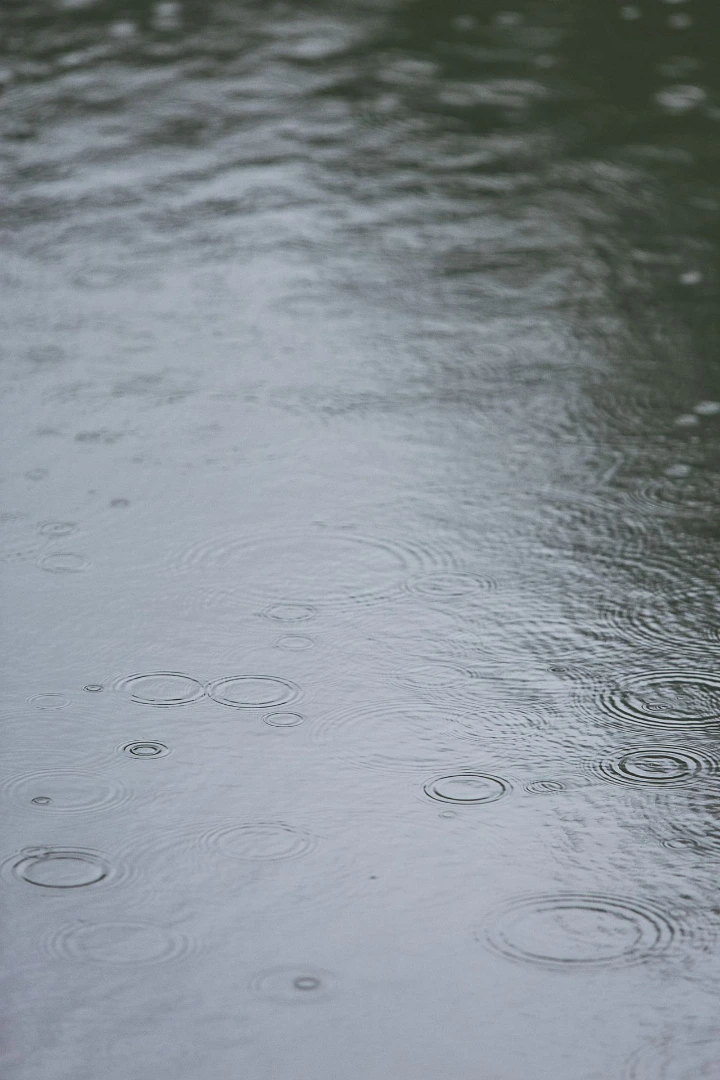
Rainwater: the historical secret of major textile regions
If you have the opportunity to collect rainwater, it is undoubtedly the best solution for your linen. Historically, it is no coincidence that major textile capitals like Tournai or Verviers developed in regions where the water was naturally soft or where rainwater was used.
In Verviers, the cradle of the wool industry in Belgium, the exceptional quality of the water from the Vesdre, naturally soft and slightly acidic, has allowed for centuries to wash, degrease and dye wool with unparalleled gentleness, without the need for aggressive chemical products. This natural acidity of rainwater allows for the dissolution of lime residues much better than tap water, while requiring much less soap to wash effectively.
Washing your laundry with rainwater is therefore a return to this ancestral know-how : water that respects the fibre, which naturally softens it and preserves the colours. It is a major ecological solution, as it reduces the pressure on drinking water resources and decreases the amount of detergents released into the environment.

Why we advise against essential oils in your recipes?
You will often find recipes suggesting adding essential oils to scent the laundry. At Design for Resilience, we strongly recommend not to do this.
The production of essential oils is extremely resource-intensive: it takes astronomical quantities of plants to obtain a few centilitres of essence, which poses a problem of competition with agricultural land dedicated to food. Moreover, these substances are very concentrated and can be toxic to aquatic organisms when released into wastewater, even in small quantities. Finally, they can be allergenic and not recommended for vulnerable individuals, children, and animals. The true luxury is a healthy laundry, without masking fragrance.
Adopting these gestures is already resisting
Changing the way you wash your laundry may seem like a detail. However, it is a strong political and health act.
It is refusing to poison the water with petrochemical derivatives. It is protecting your skin and your lungs from allergenic substances. It is prolonging the life of your clothes by respecting their natural fibres. And it is, above all, taking back control over what we introduce into our intimate environment.
By making your own fabric softener or choosing to do without it, you are not just saving money. You are voting for a world where caring for the living takes precedence over industrial profitability. You choose resilience, health and the truth of materials.
At Design for Resilience, we design our textiles in linen and in hemp so that they withstand the test of time, becoming more beautiful and softer with each natural wash. Because true quality does not need artifices.